How to service your car
Servicing your car regularly is essential for maintaining its performance, safety, and longevity. While some aspects of car servicing are best handled by professionals, there are certain maintenance tasks you can perform yourself. Here's a general guide on how to service your car:
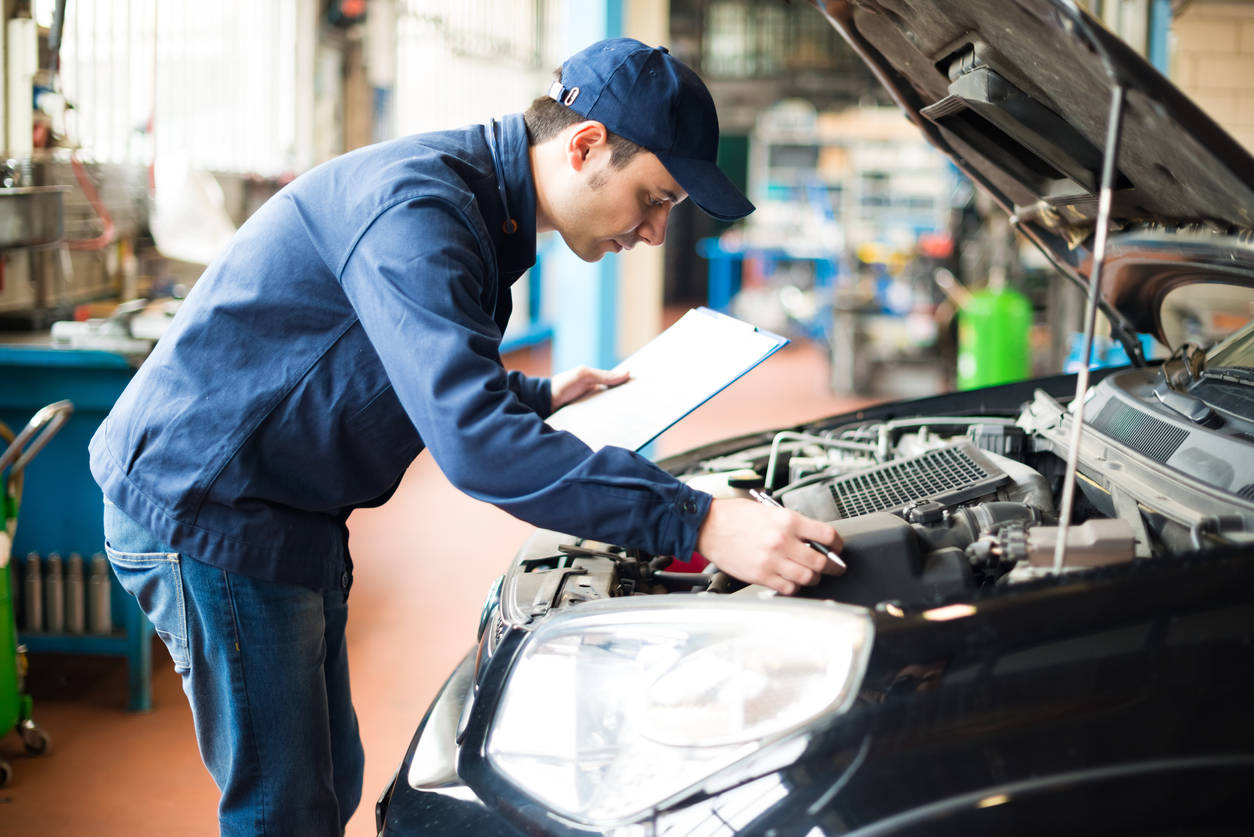
**Basic Car Maintenance Tasks:**
1. **Check Fluid Levels:**
Regularly check the levels of engine oil, transmission fluid, brake fluid, coolant, and windshield washer fluid. Follow your car's manual to locate the dipsticks or reservoirs for each fluid and ensure they are at the appropriate levels.
2. **Inspect Tires:**
Check tire pressure regularly using a tire pressure gauge. Ensure the tires are inflated to the recommended levels specified in your car's manual. Also, inspect the tires for any signs of damage, uneven wear, or low tread depth.
3. **Replace Air Filter:**
A dirty air filter can affect your car's fuel efficiency and performance. Consult your car's manual to locate the air filter, and if it's dirty, replace it following the manufacturer's recommendations.
4. **Replace Cabin Air Filter:**
If your car has a cabin air filter, it's responsible for maintaining air quality inside the vehicle. Replace it according to the recommended interval.
5. **Check and Replace Spark Plugs:**
Spark plugs play a crucial role in the combustion process. If your car has conventional spark plugs, consult the manual for replacement intervals. Modern vehicles might have long-lasting iridium or platinum plugs.
6. **Inspect Belts and Hoses:**
Inspect the belts and hoses under the hood for signs of wear, cracks, or damage. Replace them if they show any signs of deterioration.
7. **Check Battery:**
Inspect the battery terminals for corrosion and ensure they are tightly connected. Some auto parts stores offer free battery testing to assess its condition.
**Professional Maintenance:**
1. **Oil Change:**
While you can check the oil level, it's advisable to have an oil change performed by a professional mechanic according to your car's recommended schedule. They'll also replace the oil filter during this service.
2. **Brake Inspection:**
Regular brake inspections are vital for safety. A mechanic can assess the condition of your brake pads, rotors, and brake fluid to ensure optimal braking performance.
3. **Cooling System Flush:**
Flushing the cooling system helps remove built-up contaminants that can affect the engine's temperature regulation. This is typically done by a professional mechanic.
4. **Transmission Service:**
If your car has an automatic transmission, follow the recommended maintenance schedule for transmission fluid changes or flushes. Manual transmissions might require less frequent maintenance.
5. **Wheel Alignment and Balancing:**
If you notice uneven tire wear or your car pulls to one side, it's time for a professional wheel alignment and balancing.
6. **Suspension Inspection:**
A mechanic can inspect your car's suspension components to ensure they're in good condition and properly aligned.
Remember, following your car's manufacturer-recommended maintenance schedule is crucial for optimal performance. If you're unsure about any maintenance task or if you encounter complex issues, it's best to consult a qualified mechanic. Regular servicing not only keeps your car running smoothly but also helps prevent more significant and costly repairs down the line.


Comments
Post a Comment